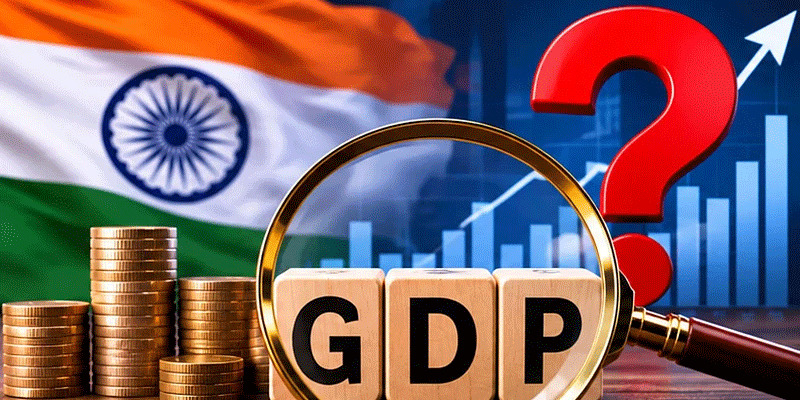
India’s economy opened fiscal 2026–27 on a stronger-than-expected note, expanding 7.8% in real terms during April–June 2026, comfortably above the Reserve Bank of India’s 7% forecast and analyst expectations that had largely hovered around 7–7.5%. The impressive number, however, has quickly become politically contentious. The Congress and other critics have questioned whether changes in the GDP base year and methodology have influenced the headline figure, while the government and economists defending the revised series argue that the numbers reflect genuine economic strength.
A Strong Start to Fiscal 2026–27
The latest estimate comes after India introduced a new national accounts series with 2022–23 as the base year, replacing the earlier 2011–12 series. The updated framework incorporates newer data sources, revised sectoral weights and improved price indices, including the Producer Price Index. MoSPI says these changes are intended to make GDP measurement more representative of the contemporary economy.
The Q1 performance itself points to broad momentum. Real GVA grew 8.2%, while nominal GDP increased 10.3%. Manufacturing expanded 9.2%, services registered particularly strong growth, and financial, real estate, information technology and professional services emerged among the major contributors. Investment also remained a significant engine, indicating that the expansion is not dependent solely on consumption.
GDP Growth and Political Debate
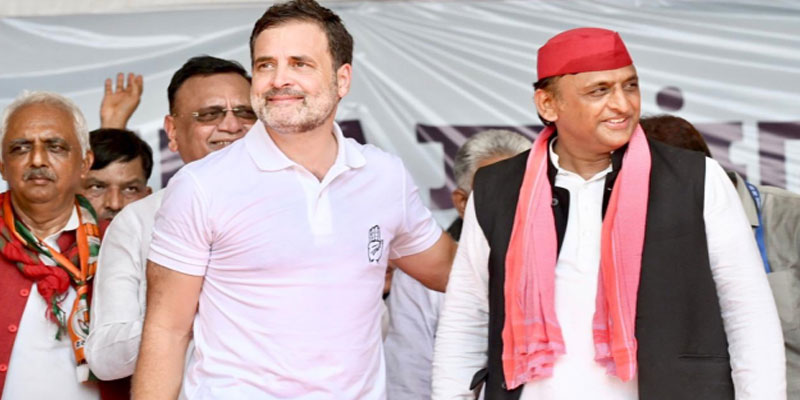
The political controversy centres less on whether economic activity has improved and more on how that improvement is being measured. Congress and other critics have argued that changes to the base year, deflators and methodology can affect comparisons with previous periods. They contend that a headline growth rate of 7.8% does not fully correspond with concerns surrounding employment, real wages and parts of the informal economy.
The criticism gains political traction because GDP revisions have historically generated debate over transparency and comparability. Critics therefore want greater clarity on the assumptions, source data and calculations underlying the new series rather than simply accepting the headline number.
The government, however, strongly rejects suggestions of manipulation. MoSPI says the revised methodology incorporates better data and more sophisticated price measurement, including double deflation for manufacturing. Officials stress that GDP estimates are provisional and naturally undergo revisions as more comprehensive information becomes available.
Former policymakers and economists have also defended the figures, pointing to indicators such as vehicle sales, credit expansion, tax collections, corporate performance and construction activity as evidence that the economy is genuinely performing strongly.
Why Statistical Credibility Matters
The argument ultimately goes beyond partisan politics. GDP is a critical economic signal used by policymakers, investors, businesses and citizens. If statistical revisions are perceived as politically influenced, confidence in official data can suffer. Conversely, dismissing every methodological criticism as politically motivated can weaken legitimate public scrutiny.
India therefore needs not merely high growth, but trusted growth statistics. Greater disclosure of datasets, transparent explanations of revisions and sustained engagement with independent economists would strengthen confidence in the numbers.
The Real Test: Growth That Citizens Can Feel
The 7.8% figure is undeniably encouraging, but its lasting significance will depend on whether strong aggregate growth translates into better jobs, rising incomes, productive investment and broader prosperity. The most convincing answer to the political debate will ultimately not be louder claims from either side, but transparent statistics and economic gains visible in everyday life.
(With agency inputs)